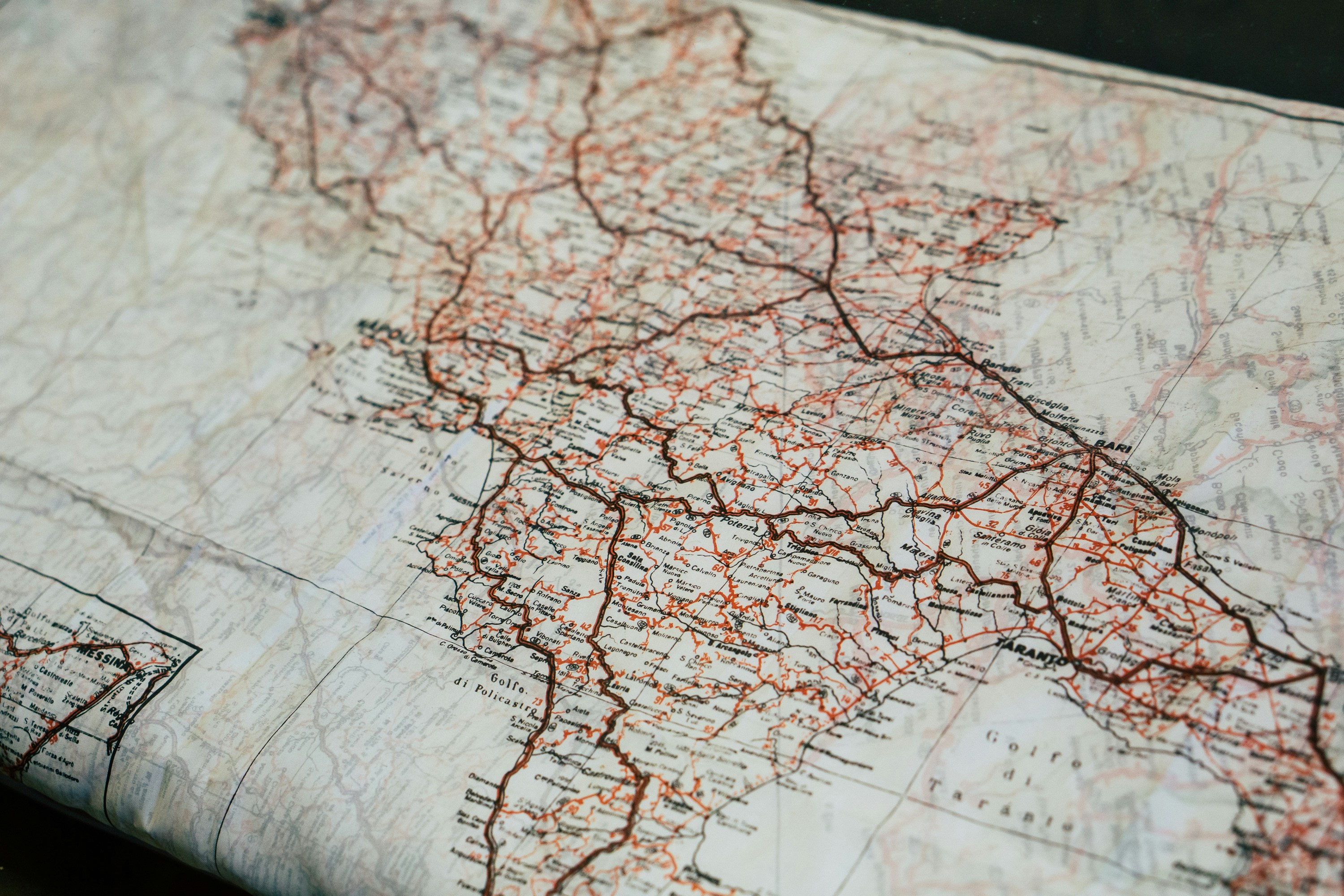
Much of our work starts with maps. Or, more precisely, with data collected by Earth-observing satellites and turned into representations of the planet, helping us make sense of the world from the comfort of our homes, through our flat screens.
Maps are truly wonderful, not only because of what they show, but because of how familiar they feel. We grow up with them, through globes, atlases, and other colourful objects, rich in detail and full of promise. At least for me, as a child, my imagination travelled through maps, well before I ended up working with them.
Maps give us a reassuring feeling that the world can be understood, framed, and explained. At a time when uncertainty, disorder, and a sense of fragmentation seem to be everywhere, this clarity is something many of us are deeply eager for.
But not everything that matters offers itself so easily to this kind of representation. Some things resist being mapped. They cannot be neatly located, bounded, or visualised. They live through people, relationships, and shared experience, and they challenge many of our default ways of understanding the world.
We were lucky to work with UNESCO on a project that touched the field of intangible cultural heritage. This reminded us that cultural practices, expressions, and forms of knowledge do not exist as fixed points in space. They are living, evolving, and deeply contextual. They move with people, adapt over time, and often make sense only when seen through the social and cultural relationships that sustain them.
Living heritage as uncertainty
Intangible cultural heritage challenges not only how we represent the world, but also how we relate to uncertainty. As living, evolving, and deeply contextual, its meaning cannot be detached from the people who practise it, nor from the social and environmental conditions that sustain it.
For those of us used to working with Earth observation data, this can feel unsettling. There is no single source of truth, no final layer to add. What exists instead are relationships, stories, and practices that shift and adapt over time.
And yet, this way of working is not entirely unfamiliar. Much of our work already engages with uncertainty, whether through climate scenarios, projections, or incomplete datasets. We are used to working with probabilities, assumptions, and futures that cannot be fully predicted. Intangible cultural heritage calls for a similar mindset, one that accepts uncertainty not as a problem to eliminate, but as a condition to work with care and humility.
Before recognition, there is safeguarding
International frameworks play an essential role in safeguarding intangible cultural heritage. Lists, registers, and formal mechanisms help create visibility, legitimacy, and protection. They provide shared reference points for governments, institutions, and practitioners.
At the same time, formal recognition is not where cultural practice begins.
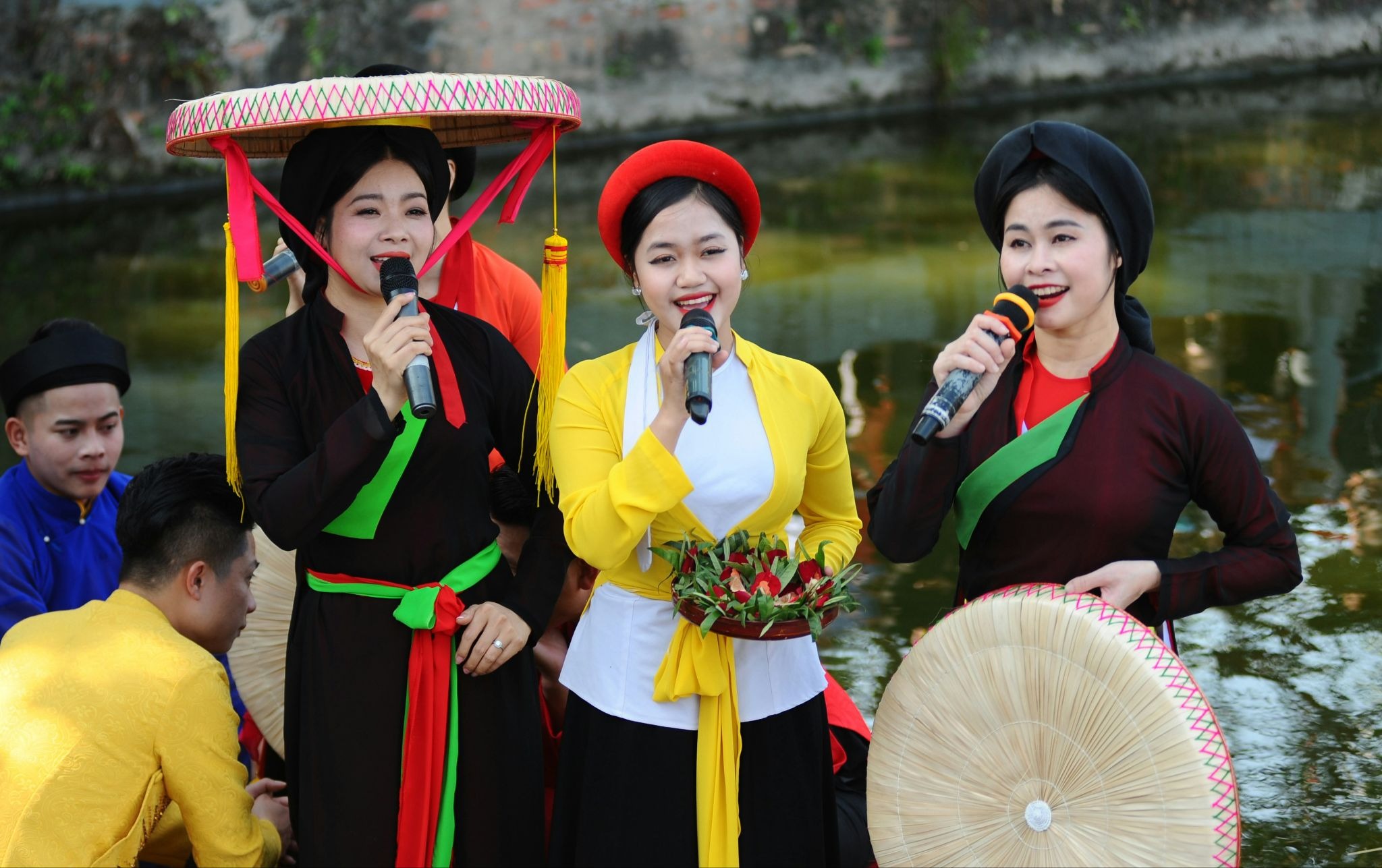
Many safeguarding efforts emerge long before anything is documented, nominated, or inscribed. Communities experiment, adapt, and transmit knowledge in response to changing social, environmental, or economic conditions. Some of these approaches may never be formally registered. Others may not yet be ready, eligible, or prioritised within institutional processes.
This does not make them less valuable.
There is an important distinction between recognising what to safeguard and understanding how safeguarding happens in practice. If attention is given only to what has already been formally recognised, there is a risk of overlooking locally grounded or emerging practices, and of acting too late, once traditions are already under significant pressure.
Safeguarding is not a moment. It is a process. Safeguarding intangible cultural heritage is a process that will protect communities.
Cultural practices can extend beyond borders
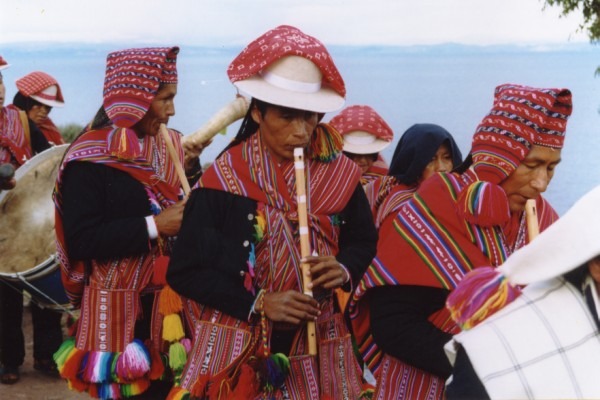
Intangible cultural heritage is deeply rooted in communities and places. At the same time, many cultural practices, traditions, and forms of knowledge are shared across regions and histories that do not align neatly with modern administrative boundaries.
Languages, rituals, seasonal practices, and forms of traditional knowledge often emerge from long-standing relationships between people and landscapes. In many cases, these relationships predate contemporary borders and continue to exist across them, without diminishing the cultural sovereignty or identity of the communities involved. Living in the north of Portugal has made this particularly tangible for me, where many practices are shared with neighbouring Galicia in Spain.
Representing this complexity is not straightforward. Mapping cultural practices exclusively within national boundaries can risk oversimplifying lived realities, while ignoring borders altogether can erase important political, legal, and cultural contexts.
There are also sensitivities to navigate. Borders carry histories of conflict, exclusion, and negotiation. How they are represented, or de-emphasised, matters. Careless design choices can unintentionally reinforce narratives that do not reflect how communities understand their own heritage.
This tension forced us to slow down and reflect. Rather than asking how to remove borders from maps, the more useful question became how to represent cultural practices in ways that respect sovereignty, acknowledge shared heritage, and remain attentive to political context. Sometimes this means allowing multiple perspectives to coexist. Sometimes it means making boundaries visible but not dominant. And sometimes it means accepting that no single representation can fully capture the richness of living culture.
Culture and climate
Throughout our work, we look at the world through familiar lenses: data, Earth observation, maps, and digital representations. Climate is another lens we work with closely at Vizzuality. Engaging with intangible cultural heritage pushed us to extend this perspective further, and to reflect more deeply on how culture, environment, and climate are intertwined.
Seen through this lens, it becomes clear that intangible heritage is not separate from the environment. It is deeply entangled with it. Many cultural practices emerge from long-term relationships between people and their surroundings, shaped by climate, seasons, and ecosystems over generations.
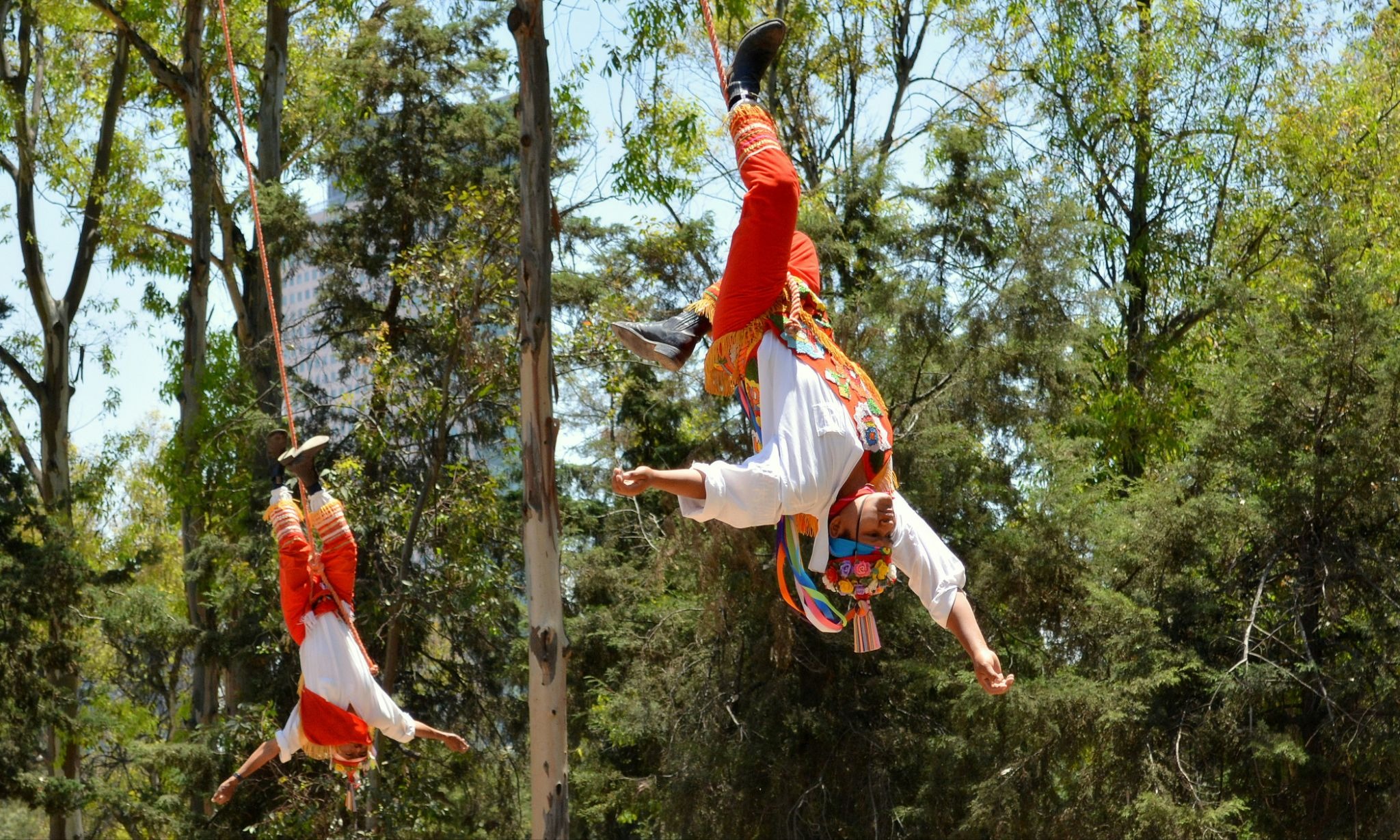
Traditional ecological knowledge, seasonal rituals, farming practices, food cultures, navigation methods, and oral histories often encode centuries of adaptation to local climates and environments. As climate change accelerates, these relationships are increasingly under pressure. Some cultural practices become harder to sustain. Others are disrupted as landscapes and species change. In some cases, entire ways of life risk being lost alongside the ecosystems they depend on.
At the same time, intangible heritage can offer valuable insights for resilience, adaptation, and stewardship. Not as solutions to be extracted or replicated, but as living knowledge grounded in place, experience, and care, if we choose to listen.
This brings us back to where we started. Just as maps cannot capture everything that matters, climate action focused only on technical indicators and environmental data risks missing the social and cultural dimensions that make change endure. Without culture, climate action may be technically sound, but it will remain socially fragile.
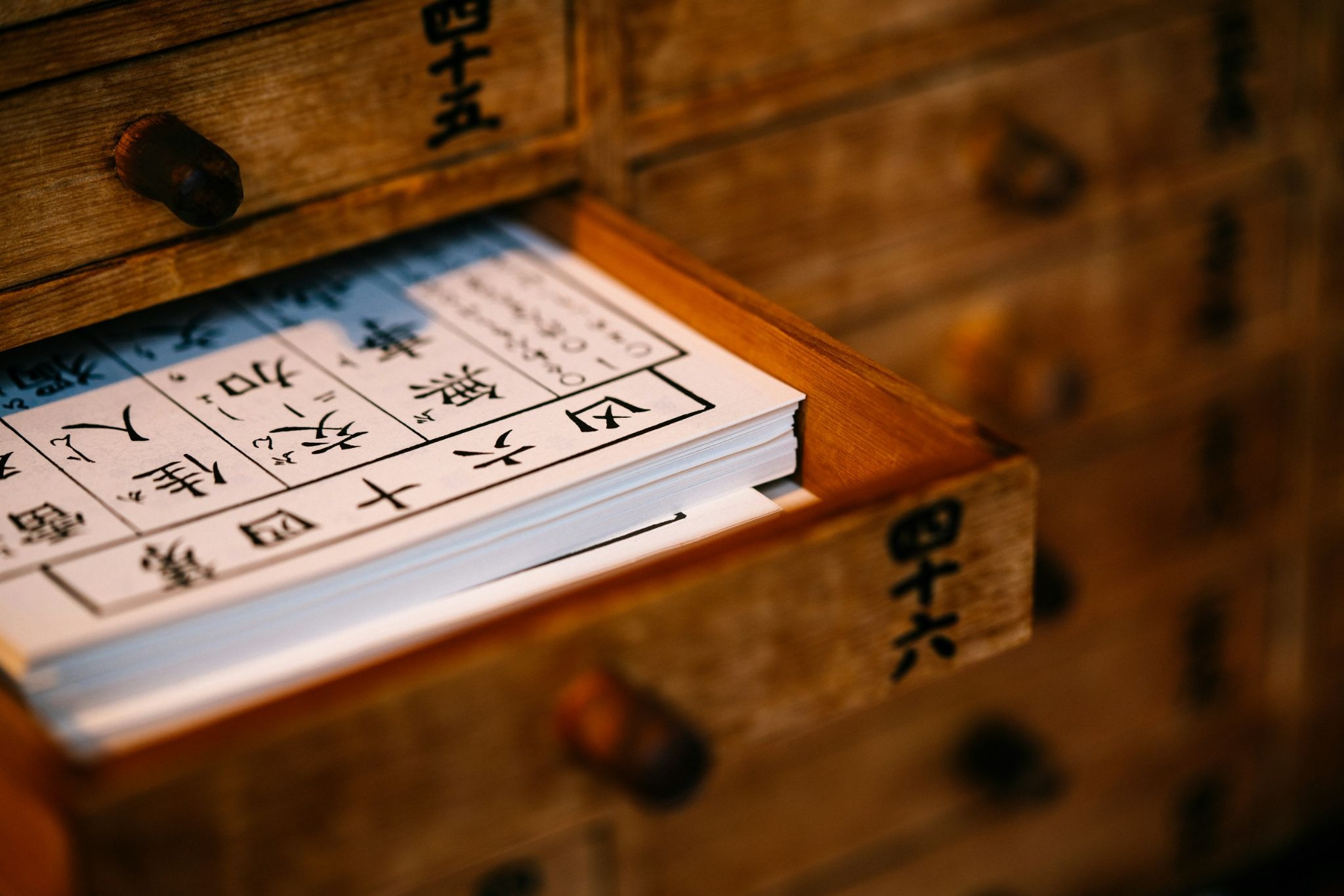
Making space for what cannot be fully mapped
Working with intangible cultural heritage reminded us that not everything that matters can be fully captured or explained. Some forms of knowledge live in relationships rather than datasets.
This does not mean abandoning maps, data, or digital tools. It means using them with greater care, and recognising both their power and their limits. Much of what sustains culture happens outside digital platforms, beyond what can be documented, visualised, or standardised.
When we design platforms, representations, or climate decision-support tools, the question is not only what can be shown, measured, or scaled. It is also whose knowledge is made visible, whose practices are supported, and which forms of continuity are allowed to persist beyond the screen. How to practically do that? We explored this with UNESCO and look forward to sharing our experience through our project pages soon.
Safeguarding living heritage requires patience, humility, and attention to context. It asks us to value practices before they are formalised, to respect shared traditions without erasing sovereignty, and to treat uncertainty not as a weakness, but as a condition of working with living systems.
In a world facing accelerating environmental and social change, making space for these perspectives is not a luxury. It is what makes our responses meaningful, resilient, and grounded in the realities of people’s lives.
Sometimes, the most important work begins where maps end.